
The world’s most important work
needs builders, not spectators.
Something is shifting in how families and founders think about their capital. The old model — earn, give, repeat — made sense for its time. But a growing number of them have started asking harder questions: whether a grant is really the right tool, whether the endowment is working for or against the foundation’s mission, whether convening the right people in a room might do more than any single check.
They're not waiting for the system to change. They're the ones changing it.
Our clients have one thing in common: they're done leaving impact on the table. That might look like a foundation ready to deploy its full endowment toward its mission or explore a strategic spend-down. A family realizing their investments, their relationships, and their seat at the table are all part of the same strategy. Or a firm that isn't focused on growth for growth's sake — but knows that when they grow, more people benefit.
And they all want the same thing — a real partner to help them do it.
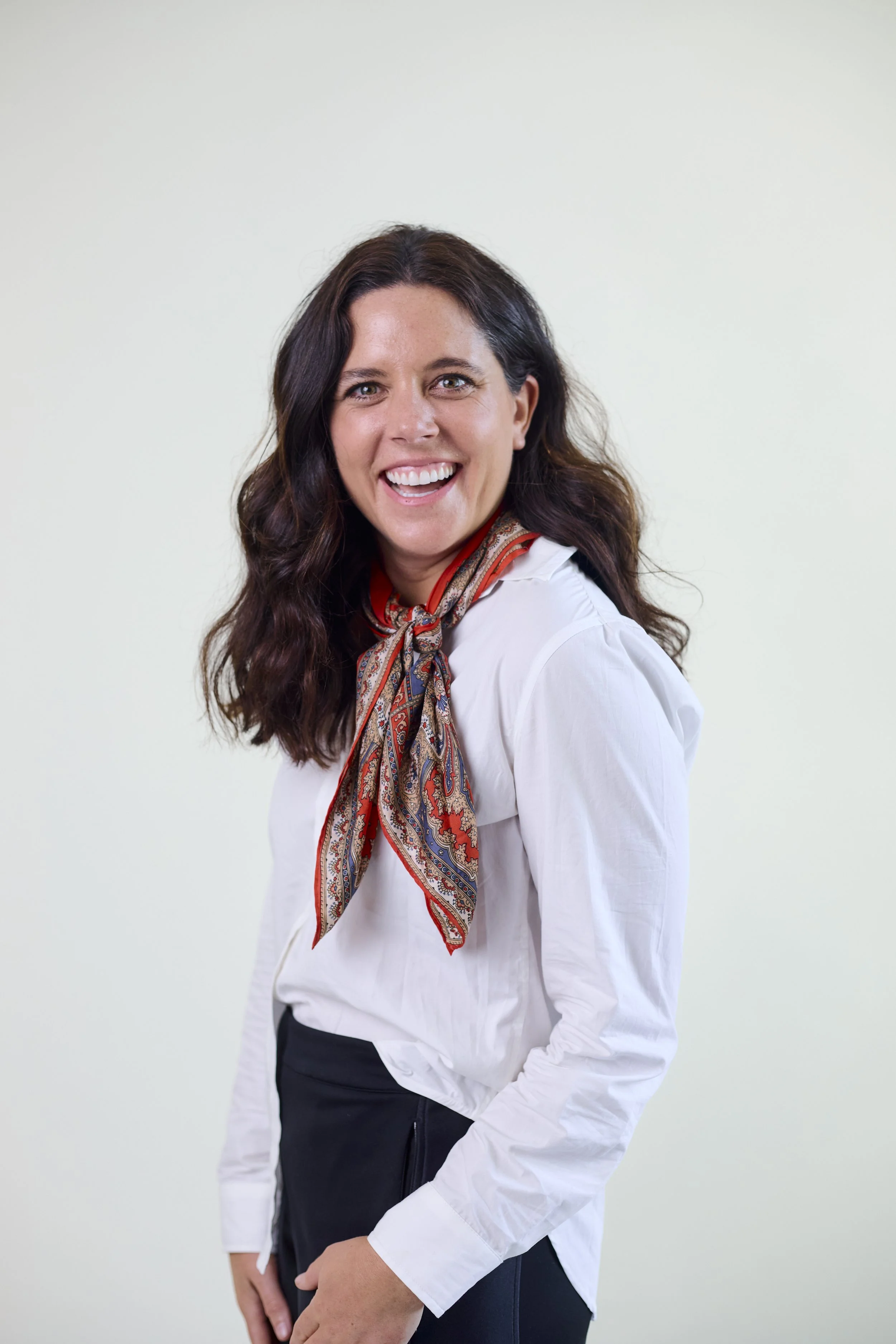
Ali Motroni
My career has taken me from family offices and impact funds to villages in Kenya where girls are fighting to stay out of forced marriages. That range isn't accidental — it's the whole point. The levers for change are often in the rooms with the most resources. My job is helping the people in those rooms use them.
I was a founding team member at Align Impact, one of the country's leading impact advisory firms, and launched Field Guide in 2026 to focus entirely on the clients and problems I find most alive. My favorite work sits at the intersection of impact-driven families and the ecosystems they're trying to build — the foundations, the investment platforms, the communities of practice that make a thesis real.
I host the Field Guides Podcast: Mapping the Frontier, sit on several boards, and recently finished writing my first novel.
I grew up in South Carolina, spent a decade in Los Angeles, and have been in Brooklyn long enough to have a closet full of vintage trench coats.
Field Guide was built for people willing to leave the trail.